Tooth Filling in Dubai is often needed because cavities don’t always cause pain in their early stages.
That’s what surprises many people.
A tiny cavity can develop quietly for weeks or even months before you notice anything unusual. By the time it starts hurting, the damage may already be more serious than expected.
The good news is that cavities are easier to treat when they’re found early. In many cases, a simple tooth filling is enough to restore the tooth and prevent further damage.
If you live in Dubai, regular dental check-ups can help detect cavities before they become bigger problems. Knowing the early signs can also help you decide when it’s time to visit your dentist.
Let’s look at the signs you shouldn’t ignore.
What Is a Dental Cavity?
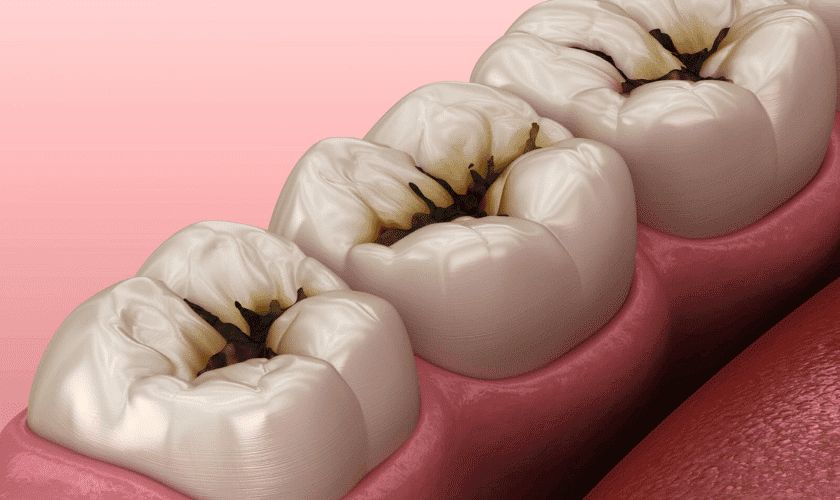
A cavity is a small area of damage that forms when acids produced by bacteria wear away the tooth’s outer surface.
These bacteria feed on sugars from food and drinks. Over time, repeated acid attacks weaken the enamel and create tiny holes in the tooth.
If left untreated, the cavity can grow deeper and affect the inner layers of the tooth.
That’s why early treatment matters.
Why Early Treatment Makes a Difference
Many people delay treatment because the tooth doesn’t hurt.
Unfortunately, cavities don’t heal on their own.
A small cavity can often be treated with a simple tooth filling. Waiting too long may lead to more extensive treatment if the decay spreads.
Early care helps:
- Preserve more of your natural tooth.
- Prevent the cavity from becoming larger.
- Reduce the chance of tooth pain.
- Restore normal chewing.
- Maintain good oral health.
Seeking treatment early usually means a simpler dental visit.
1. Tooth Sensitivity That Doesn’t Go Away
Do your teeth hurt when you drink something cold or hot?
Does eating sweets make one tooth feel uncomfortable?
Occasional sensitivity isn’t always a cavity, but sensitivity that keeps coming back deserves attention.
A cavity can expose the inner part of the tooth, making it react to temperature changes and sugary foods.
If the sensitivity lasts for several days, it’s a good idea to have it checked.
2. A Visible Hole or Dark Spot on Your Tooth
Sometimes you can actually see the cavity.
You might notice:
- A small hole.
- A brown spot.
- A black mark.
- A rough area on the tooth.
Not every stain is decay, but visible changes should never be ignored.
Your dentist can determine whether it’s a cavity or simple discolouration.
3. Pain When You Bite or Chew
Pain while eating is another common sign.
You may feel discomfort when biting into hard foods or chewing on one side of your mouth.
This can happen because decay has weakened the tooth structure.
Ignoring the pain won’t stop the cavity from progressing.
A dental examination can identify the cause and determine whether a tooth filling is the right treatment.
4. Food Frequently Gets Stuck Between Your Teeth
Have you noticed food getting trapped in the same place every day?
That isn’t always normal.
A cavity can create a small opening where food collects more easily.
This area becomes harder to clean with brushing and flossing, allowing more bacteria to build up.
Over time, the decay may continue to spread.
5. Persistent Bad Breath
Bad breath isn’t always caused by the foods you eat.
Sometimes bacteria hiding inside a cavity contribute to unpleasant breath that doesn’t improve with brushing.
If you’ve maintained good oral hygiene but still notice ongoing bad breath, it’s worth visiting your dentist for an examination.
6. Toothache That Comes and Goes
Many people expect a cavity to cause constant pain.
That’s not always the case.
Some cavities cause mild discomfort that comes and goes.
You may notice pain while eating, then feel perfectly fine a few hours later.
This doesn’t mean the problem has disappeared.
In fact, the cavity may continue to grow without causing severe pain right away.
7. A Chipped or Weak Tooth
As decay spreads, the tooth becomes weaker.
Eventually, part of the tooth may chip while eating something that normally wouldn’t cause damage.
Even a small chip should be examined.
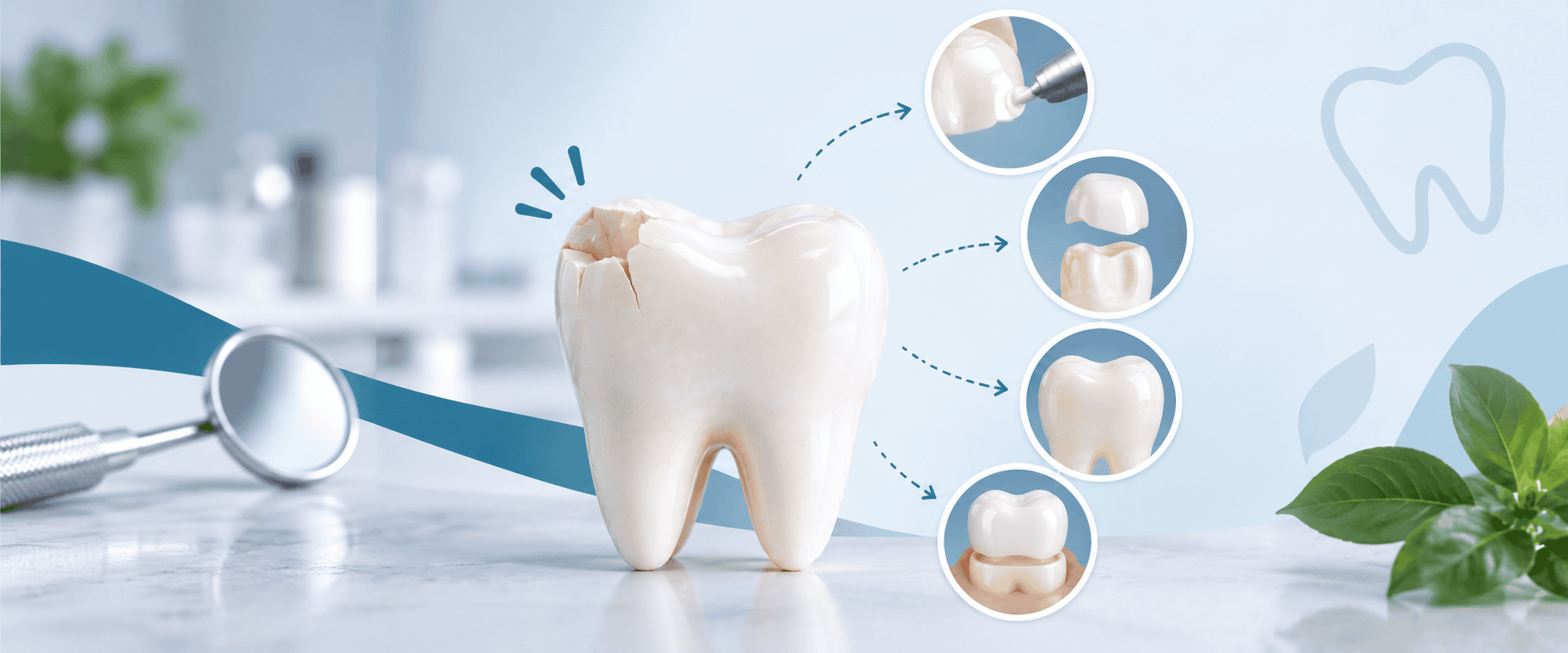
Sometimes the tooth can still be restored with a Tooth Filling in Dubai if the damage is detected early.
If the cavity becomes too large, other restorative treatments may be needed instead.
What Happens During a Tooth Filling?
Many people feel nervous because they don’t know what to expect.
Fortunately, getting a filling is usually a straightforward procedure.
Your dentist will:
- Examine your tooth.
- Take an X-ray if needed.
- Remove the decayed portion of the tooth.
- Clean the area.
- Place the filling material.
- Shape and polish the filling so it feels comfortable when you bite.
Most appointments are completed in a single visit, depending on the size of the cavity.
Types of Tooth Fillings
Not every filling is the same.
The right material depends on the location of the cavity, the size of the damaged area, and your dentist’s recommendation.
Some common options include:
- Tooth-coloured composite fillings that blend with your natural teeth.
- Glass ionomer fillings, which are often used in certain situations.
- Other restorative materials based on your individual dental needs.
Your dentist will explain which option is suitable for your tooth and why.
Can a Filled Tooth Last for Years?
Yes, it can.
A well-placed filling, combined with good oral hygiene, can last for many years.
Its lifespan depends on several factors, including:
- Your brushing and flossing habits.
- The size of the filling.
- Your eating habits.
- Whether you grind your teeth.
- Regular dental check-ups.
Even after getting a filling, it’s still important to care for your teeth every day.
A filling repairs existing damage, but it doesn’t stop new cavities from forming.
How to Reduce Your Risk of Cavities
Preventing cavities is usually much easier than treating them.
Simple daily habits make a big difference.
Try to:
- Brush twice a day with fluoride toothpaste.
- Floss once every day.
- Limit sugary snacks and drinks.
- Drink plenty of water.
- Avoid frequent snacking throughout the day.
- Visit your dentist for regular check-ups and professional cleaning.
These small habits help protect your teeth and reduce plaque build-up.
Why Regular Dental Check-Ups Matter
Many cavities begin without obvious symptoms.
That’s why routine dental visits are so important.
Your dentist can often detect early signs of decay before you notice pain or visible damage.
Regular examinations may include:
- Checking for cavities.
- Looking for worn fillings.
- Examining your gums.
- Assessing your overall oral health.
- Taking dental X-rays when needed.
Finding problems early often means simpler treatment and better long-term results.
Why Choose Minha Dental Surgery Clinic for Tooth Filling in Dubai?
Choosing the right dental clinic is just as important as getting treatment at the right time.
At Minha Dental Surgery Clinic, every patient receives a thorough dental examination before treatment begins. The team focuses on preserving natural teeth whenever possible and recommends treatment based on each patient’s individual needs.
Whether you have a small cavity or need a replacement for an old filling, the clinic provides personalised care using modern dental techniques in a comfortable environment.
The goal is simple.
Treat dental problems early and help patients maintain healthy smiles for years to come.
Final Thoughts
Cavities rarely disappear on their own.
What starts as a small area of decay can gradually become a larger problem if left untreated.
Paying attention to early signs such as tooth sensitivity, pain while chewing, visible spots, or food getting stuck between your teeth can make a real difference.
Seeking treatment early often means a simpler procedure and helps preserve more of your natural tooth.
If you’ve noticed any of these symptoms, don’t wait for the discomfort to become worse.
Booking a dental examination can help identify the cause and determine whether a Tooth Filling in Dubai is the right solution. At Minha Dental Surgery Clinic, preventive care and early treatment remain the foundation of long-term oral health.
Frequently Asked Questions
Does getting a tooth filling hurt?
Most patients experience little to no pain during the procedure because the area is numbed before treatment begins.
How long does a tooth filling take?
A simple filling is often completed within 30 to 60 minutes, depending on the size and location of the cavity.
Can I eat after getting a tooth filling?
Your dentist will advise you based on the type of filling used. In many cases, you can eat once the numbness has worn off.
How do I know if I need a tooth filling?
Persistent sensitivity, tooth pain, visible holes, dark spots, or food getting trapped around a tooth are common signs that should be evaluated by a dentist.
How can I prevent cavities in the future?
Brushing twice daily, flossing every day, reducing sugary foods and drinks, and attending regular dental check-ups are some of the best ways to maintain healthy teeth.