Best food for strong teeth is a common search for people who want to protect their smile through everyday eating habits. And it makes sense. Brushing and flossing are important, but the food you eat also affects your teeth and gums.
Some foods provide minerals and nutrients that support oral health. Others can help stimulate saliva, which washes away food particles and helps neutralise acids in the mouth. On the other hand, frequent sugary snacks and acidic drinks can raise the risk of dental problems.
The good news? You don’t need a complicated diet to care for your teeth. A few simple food choices can make a difference when combined with regular brushing, fluoride toothpaste, and dental check-ups.
How Does Food Help Keep Teeth Strong?
Your teeth have a hard outer layer called enamel. It protects them during chewing, but acids can gradually remove minerals from this surface. Saliva and fluoride help replace some of those minerals.
A balanced diet provides nutrients such as calcium, phosphorus, and vitamin D, which support normal tooth and bone health. Foods with a firm texture may also encourage chewing and saliva flow.
Food cannot repair a cavity or rebuild enamel that has been lost. Still, making thoughtful choices can support your oral health and help reduce some risks.
10 Best Foods for Strong Teeth
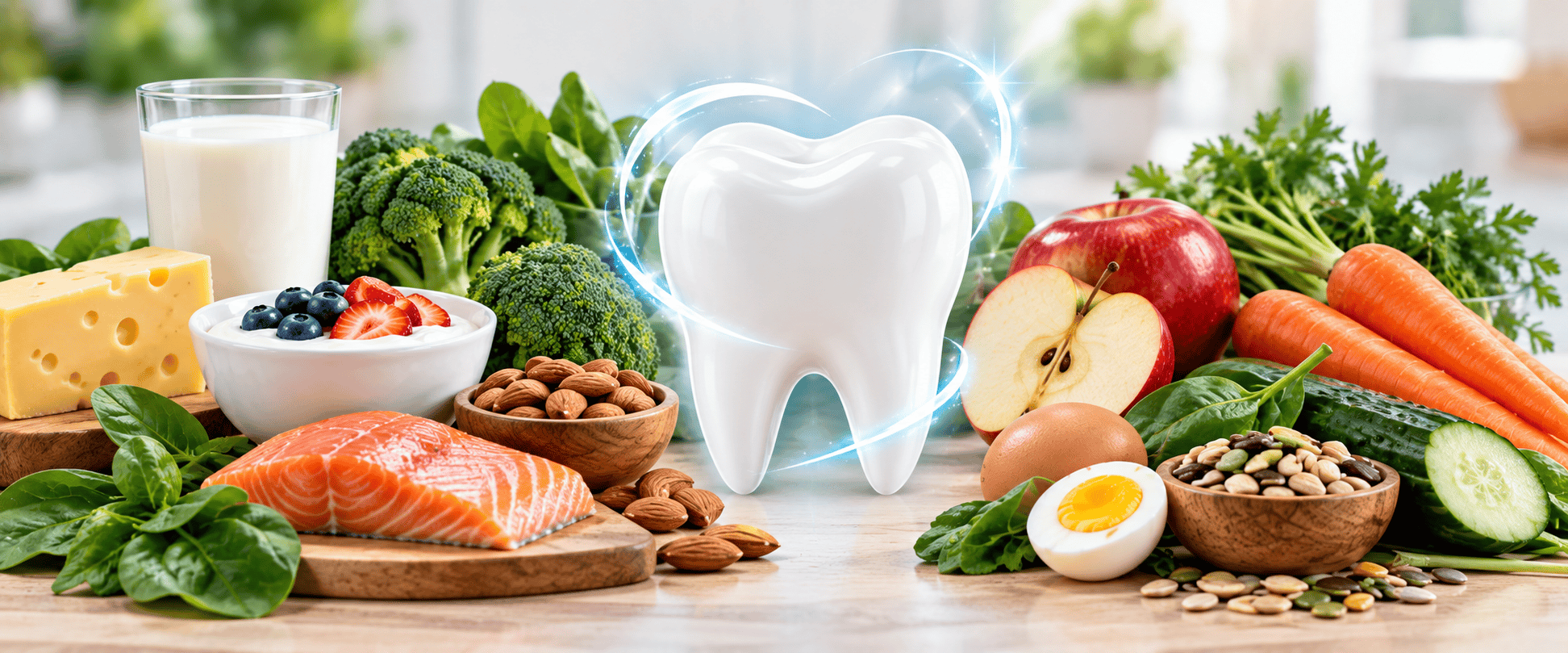
1. Milk
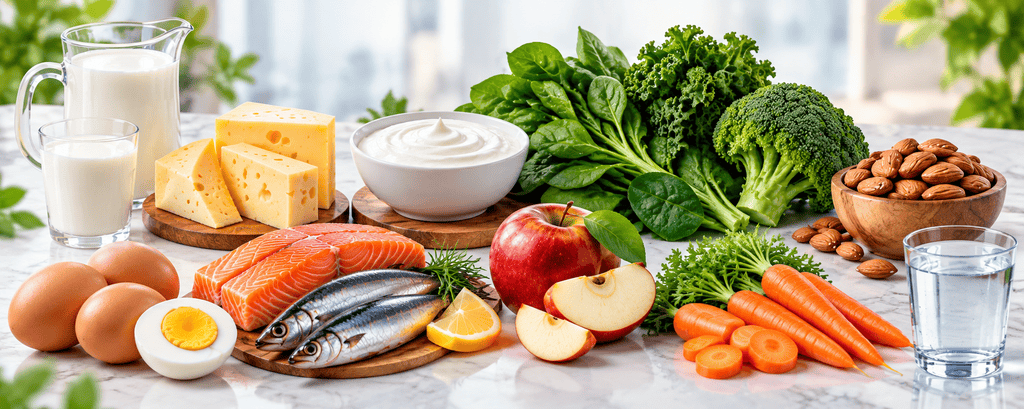
Milk contains calcium and phosphorus, minerals that support healthy teeth and bones. It also provides protein and, when fortified, may contain vitamin D.
You can include milk with breakfast or have it as part of a meal. If you prefer plant-based milk, check the label for calcium and vitamin D fortification, since levels vary between products.
2. Cheese
Cheese provides calcium and phosphorus. Chewing it also encourages saliva production, which helps wash away food particles and balance acids in the mouth.
A small piece of cheese can be a useful snack, especially compared with sticky sweets. Choose the type you enjoy and keep portion sizes in mind.
3. Plain Yoghurt
Plain yoghurt can provide calcium, phosphorus, and protein. Some varieties also contain vitamin D, depending on whether they are fortified.
Choose unsweetened yoghurt when possible. Flavoured varieties can contain added sugar, so it is worth checking the label. Add fresh fruit if you want a little sweetness.
4. Leafy Green Vegetables
Spinach, broccoli, and other leafy greens offer a range of nutrients. Some contain calcium, although the amount your body absorbs varies by vegetable.
You can add greens to dal, soups, salads, or cooked meals. They are not a quick fix for dental problems, but they can be part of a balanced eating pattern that supports your overall health.
5. Almonds
Almonds provide protein, healthy fats, and some calcium. They are also less likely to stick to teeth than chewy, sugary snacks.
Try a small handful as a snack, or add chopped almonds to porridge or yoghurt. If you have difficulty chewing hard foods, choose a softer option such as smooth nut butter.
6. Eggs
Eggs provide protein and several nutrients, including vitamin D in small amounts. Vitamin D helps the body absorb calcium, which supports normal bone and tooth health.
Eggs are easy to include in everyday meals. Have them boiled, scrambled, or added to a vegetable dish. They are one part of a balanced diet, rather than a food that directly strengthens enamel.
7. Fatty Fish
Fish such as salmon and sardines can provide vitamin D. Some types, including sardines eaten with their soft bones, also contain calcium.
You do not need to eat fish every day. If you enjoy it, include it as part of a varied diet. For people who do not eat fish, fortified foods may help provide vitamin D.
8. Apples
Apples have a firm texture, so eating them involves chewing. This can stimulate saliva, which helps clear food particles from the mouth.
An apple is not a replacement for brushing, and it does contain natural sugars and acids. Still, whole fruit is generally a more tooth-friendly choice than frequent sweet drinks or sticky sweets.
9. Carrots
Raw carrots are crunchy and require chewing, which encourages saliva flow. They also provide nutrients such as beta-carotene, which the body can convert into vitamin A.
Enjoy carrot sticks as a snack or add cooked carrots to meals. If raw carrots feel too hard to chew, cooked carrots are a perfectly reasonable option.
10. Water
Water may not seem like a food, but it deserves a place on this list. Drinking water helps rinse away food particles and supports saliva production by keeping you hydrated.
Choose water regularly, especially between meals. It is also a better everyday drink than sugary soft drinks or sweetened juices. In some areas, tap water contains fluoride, which can help protect against tooth decay.
Which Foods Should You Limit for Healthy Teeth?
You do not have to give up every sweet or acidic food. What matters is how often your teeth are exposed to them.
Try to limit:
- Sugary drinks and frequent sweet snacks
- Sticky sweets that cling to teeth
- Sipping acidic drinks over a long period
- Frequent grazing throughout the day
When you do have sugary foods, having them with a meal rather than repeatedly between meals can reduce how often your teeth face sugar exposure. Drinking water afterward is also a helpful habit.
Can These Foods Prevent Cavities?
Foods that provide nutrients can support oral health, but they cannot guarantee that you will avoid cavities. Tooth decay also depends on plaque, oral hygiene, fluoride exposure, saliva, and other factors.
If you are searching for the Best food for strong teeth, focus on a balanced diet rather than relying on one particular ingredient. Daily habits matter too. Brush twice a day with fluoride toothpaste, clean between your teeth, and visit a dentist for regular check-ups.
When Should You Visit a Dentist?
Food choices are only one part of caring for your teeth. If you have ongoing sensitivity, toothache, bleeding gums, or a visible hole in a tooth, arrange a dental examination.
At Minha Dental Surgery Clinic in Deira, Dubai, patients can ask about preventive dental care, oral hygiene, and concerns such as tooth sensitivity or cavities. A dentist can check what is happening and explain the care that may be needed.
Frequently Asked Questions
What is the best food for strong teeth?
There is no single best food. Milk, cheese, plain yoghurt, leafy greens, almonds, eggs, fish, and other nutrient-rich foods can contribute to a balanced diet that supports oral health.
Do apples make teeth stronger?
Apples do not directly strengthen enamel. Their firm texture encourages chewing and saliva flow, but they cannot replace brushing or dental care.
Is milk good for teeth?
Milk provides calcium and phosphorus, which support normal tooth and bone health. Choose plain milk more often than sweetened drinks.
Can food repair weak enamel?
Food cannot rebuild enamel that has already been lost or repair a cavity. Fluoride can help remineralise early areas of mineral loss, while a dentist can assess damage and recommend treatment.
How can I protect my teeth every day?
Brush twice daily with fluoride toothpaste, clean between your teeth, drink water regularly, limit frequent sugary snacks, and attend routine dental check-ups.
Simple Food Habits Can Support a Healthy Smile
Healthy teeth are not built by one special food. They benefit from a balanced diet, good oral hygiene, and regular dental care over time.
Start with small steps. Choose water more often, include calcium-rich foods, and try to reduce frequent sugary snacks. And if something feels wrong with your teeth, don’t wait for food changes to solve it. A dental check-up can help you understand what your teeth need.