How to Fix a Chipped Tooth is a question many people ask after noticing a small piece of their tooth has broken away.
A chipped tooth can happen in seconds.
You might bite into something hard, bump your mouth during sports, or simply notice a small piece missing while brushing your teeth. Sometimes there is pain. Sometimes there is none at all.
So, what should you do when you chip a tooth?
The right treatment depends on how much of the tooth has broken, where the chip occurred, and whether the inner part of the tooth is affected. A tiny chip may need only a simple repair, while a larger break may require a crown or root canal treatment.
Here is what you need to know before deciding what to do next.
What Causes a Chipped Tooth?
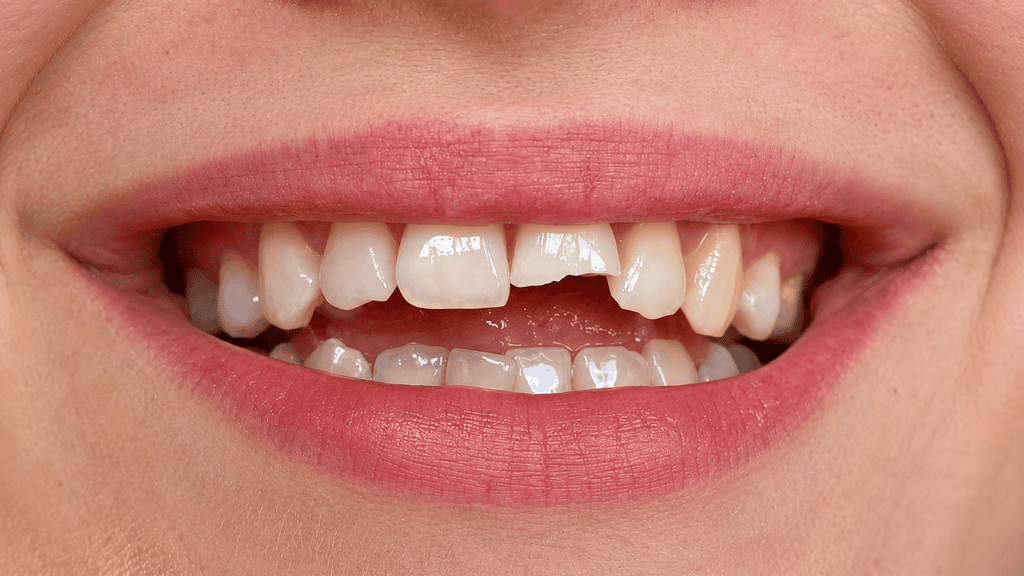
Teeth are strong, but they are not unbreakable. Several everyday situations can cause a chip.
Common causes include:
- Biting hard foods such as ice or hard candies
- Falling or getting hit in the mouth
- Sports-related injuries
- Teeth grinding or clenching
- Using your teeth to open packages
- Large fillings that weaken part of a tooth
- Tooth decay
- Natural wear over time
Sometimes a tooth chips because it was already weakened by decay or an old restoration.
That is why the cause matters. Fixing the broken edge is only part of the job if something underneath made the tooth more likely to break.
Is a Chipped Tooth a Dental Emergency?
Not every chipped tooth requires emergency treatment.
A small chip with no pain may usually be assessed during a regular dental appointment. But a larger break can expose the inner layers of the tooth and cause sensitivity or pain.
Seek prompt dental care if you have:
- Severe or persistent tooth pain
- Bleeding that does not stop
- Significant swelling
- A large piece of the tooth is missing
- Strong sensitivity to hot or cold
- A sharp edge cutting your tongue or cheek
- A tooth that feels loose
- A dental injury involving a major impact
What should you do while waiting for an appointment?
Rinse your mouth gently with water and avoid chewing on the affected side. If you found the broken piece, keep it in a clean container and take it with you. Your dentist can decide whether it has any use.
Can a Small Chipped Tooth Repair Itself?
No. A chipped piece of enamel does not grow back.
Your body can repair some early mineral loss in enamel through saliva and fluoride, but it cannot rebuild a piece of tooth that has physically broken away.
A small chip may not require major treatment, though. Your dentist may simply smooth the rough edge if it does not affect your bite or appearance.
In other cases, bonding can restore the missing part.
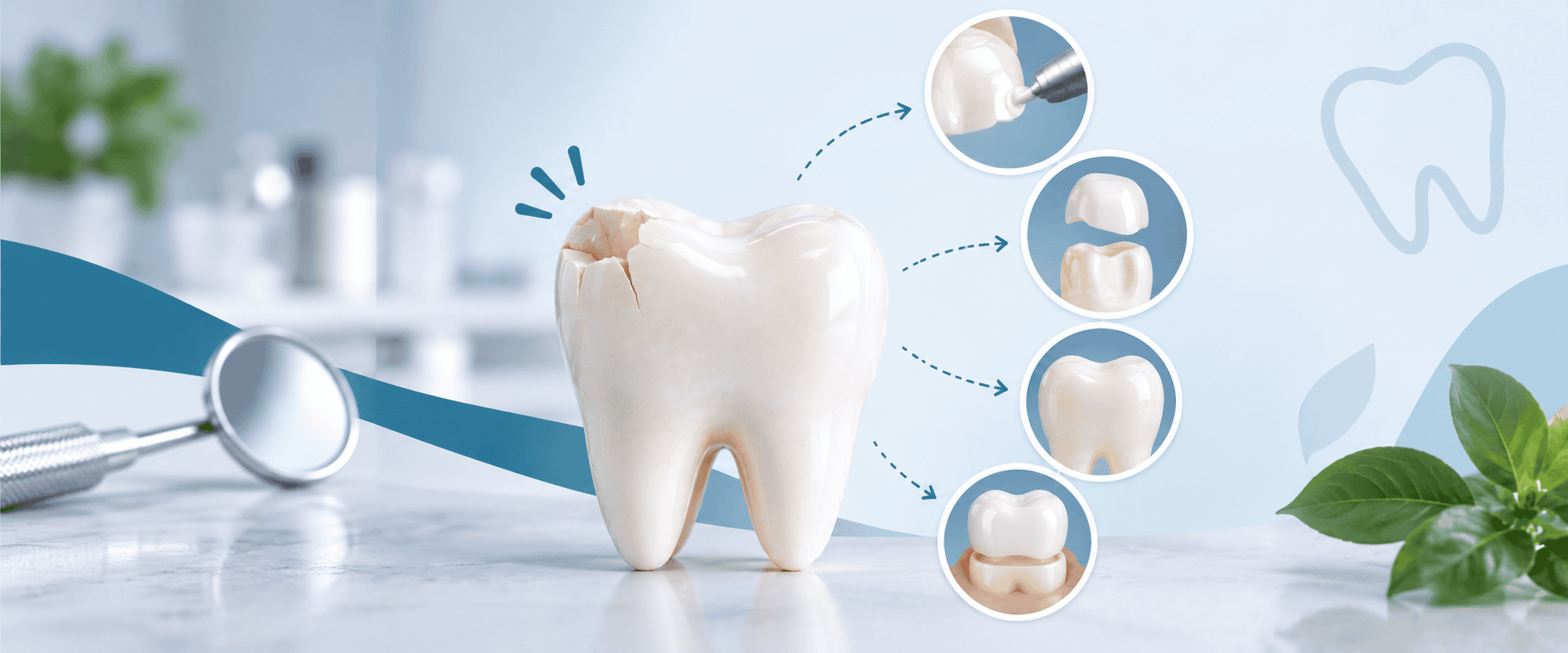
Treatment 1: Smoothing the Rough Edge
If only a tiny amount of enamel has chipped away, the simplest option may be to smooth the edge.
This can work well when:
- The chip is very small
- There is no significant sensitivity
- The tooth remains strong
- Your bite is not affected
- You are not concerned about a noticeable change in appearance
The procedure is usually straightforward.
Your dentist carefully reshapes the rough area so it does not irritate your tongue or cheek.
Treatment 2: Dental Bonding
Dental bonding is often used for small to moderate chips, especially on front teeth.
A tooth-coloured material is placed on the affected area and shaped to match the natural tooth.
Bonding may be suitable when:
- A small section of enamel is missing
- The tooth has a cosmetic defect
- The tooth does not need a crown
- You want to restore the shape of the tooth
One benefit is that bonding usually requires little removal of healthy tooth structure.
The repaired area can still wear or chip over time, especially if you grind your teeth or bite hard objects.
Treatment 3: Dental Veneers
A veneer may be considered when the chip affects the visible front surface of a tooth and the remaining tooth is healthy enough for this type of restoration.
A veneer covers the front surface of the tooth and can change its shape and appearance.
It may be discussed when:
- The damage is mainly cosmetic
- The tooth has enough healthy structure
- The chip is on the visible front surface
- You also want to address certain appearance concerns
A veneer is not the right choice for every chipped tooth. If the tooth has major structural damage, decay, or problems inside the tooth, another treatment may make more sense.
Treatment 4: Dental Crown
A crown covers the tooth and can help protect it when a larger part has broken away.
Your dentist may consider a crown when:
- A large portion of the tooth is missing
- The tooth has become weak
- A large filling is already present
- The tooth has cracks or structural damage
- A simpler restoration may not provide enough protection
Crowns are often used for damaged back teeth because these teeth handle a lot of chewing pressure.
The dentist first checks how much healthy tooth remains. That assessment helps determine whether a crown can protect the tooth properly.
Treatment 5: Root Canal Treatment
What if the chip extends deep into the tooth?
If the pulp becomes exposed or damaged, root canal treatment may be needed.
The pulp contains nerves and blood vessels. Damage to this area can lead to pain, sensitivity, inflammation, or infection.
Signs that the inner part of a chipped tooth may be affected include:
- Strong pain
- Lingering sensitivity to hot or cold
- Pain when biting
- A visible pink or red area inside the broken tooth
- Swelling near the tooth
- A tooth that becomes darker after an injury
Root canal treatment removes infected or damaged pulp and allows the tooth to be restored.
A crown may also be needed afterward, depending on how much tooth structure remains.
How Does a Dentist Decide Which Treatment You Need?
There is no single treatment for every chipped tooth.
A dental professional usually looks at several things:
- How much of the tooth has broken
- Whether the chip involves enamel or deeper layers
- Whether the tooth has decay
- Whether the pulp is affected
- How the tooth meets the opposing tooth
- Whether you grind or clench your teeth
- Whether the tooth is a front or back tooth
- Your overall dental condition
An X-ray may be recommended when the dentist needs to check areas that cannot be seen during a normal examination.
This is where a proper dental assessment helps. Two teeth may look similarly chipped but need completely different treatments.
What Should You Avoid After Chipping a Tooth?
Until your tooth is checked, try to protect it.
Avoid:
- Ice
- Hard candies
- Nuts or very hard foods
- Chewing directly on the damaged tooth
- Using the tooth to open packages
- Biting pens, nails, or other hard objects
If the broken edge feels sharp, be careful when eating and speaking so you do not irritate your cheek or tongue.
How to Fix a Chipped Tooth?
You cannot prevent every accident, but a few habits can reduce your risk.
Try these simple steps:
- Wear a mouthguard during contact sports
- Avoid chewing ice
- Do not use your teeth as tools
- Treat tooth decay early
- Ask your dentist about teeth grinding
- Keep up with regular dental checkups
- Maintain daily brushing and cleaning between teeth
If you grind your teeth while sleeping, your dentist may suggest a suitable night guard. Constant pressure can put extra stress on teeth and existing dental restorations.
When Should You Get a Chipped Tooth Checked?
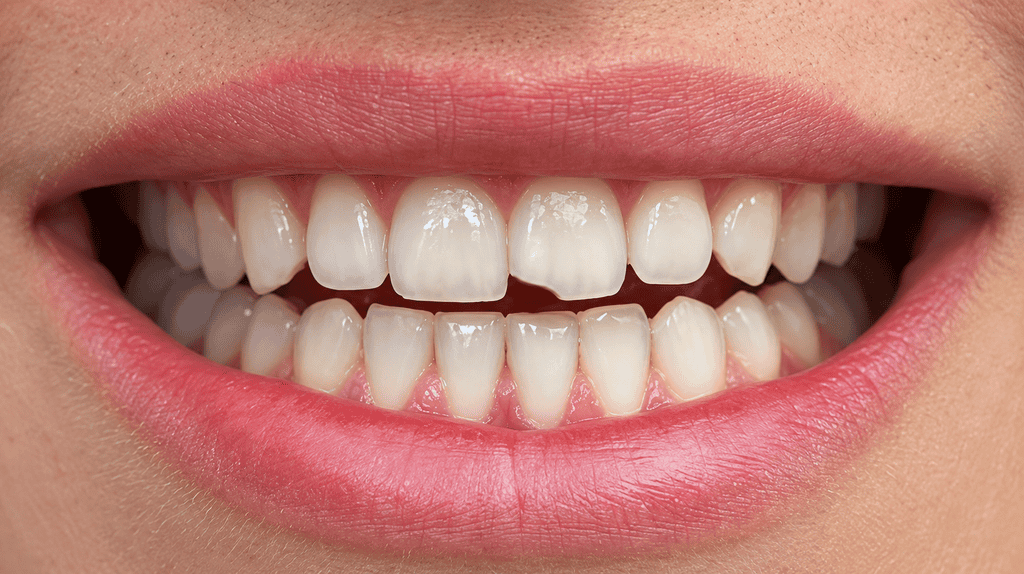
Even a painless chip deserves attention if you do not know why it happened.
A small chip may stay stable for years, while another damaged tooth may develop sensitivity or further breakage.
Getting it checked helps answer a few simple questions:
- Is the tooth still structurally strong?
- Is there hidden decay?
- Is the nerve healthy?
- Does the tooth need treatment or only monitoring?
- Could your biting or grinding be contributing to the damage?
If you are in Deira, Dubai, Minha Dental Surgery Clinic LLC can assess a chipped tooth and discuss suitable treatment based on the condition of the tooth.
Frequently Asked Questions
Can a chipped tooth be fixed in one visit?
Some small chips can be repaired during one appointment, especially when bonding or minor reshaping is suitable. Larger restorations may require more than one visit.
Is dental bonding better than a crown?
Neither is automatically better. Bonding can suit smaller chips where much of the natural tooth remains. A crown may provide better protection when a tooth has lost a large amount of structure.
Can I leave a small chipped tooth untreated?
A very small, painless chip may only need monitoring, but a dentist should assess it first. The chip could be linked to decay, grinding, or a weakened tooth.
Does a chipped tooth always hurt?
No. Some chipped teeth cause no pain, especially when only the outer enamel is involved.
Can a dentist make a chipped front tooth look normal again?
Often, yes. Depending on the amount of damage, bonding, a veneer, or another restoration may restore the tooth’s shape and appearance.
A chipped tooth does not always mean you need major dental work. The important part is finding out what caused the damage and how much of the tooth is affected.
A quick dental assessment can make that decision much clearer.