Root Canals Can Be Prevented, and many people don’t realise that until they’re told they need one. In fact, most root canals develop because small dental problems are ignored for too long.
The funny thing is, most people don’t expect they’ll ever need one. A small cavity doesn’t seem like a big deal. A little tooth sensitivity? That can wait until next month.
Before you know it, the damage has reached the inside of the tooth.
Here’s the part many people don’t realise. Most root canals don’t happen overnight. They usually develop because small dental problems are ignored for too long.
The good news is that many of them can be prevented with simple habits and regular dental care.
Let’s look at how.
What Is a Root Canal?
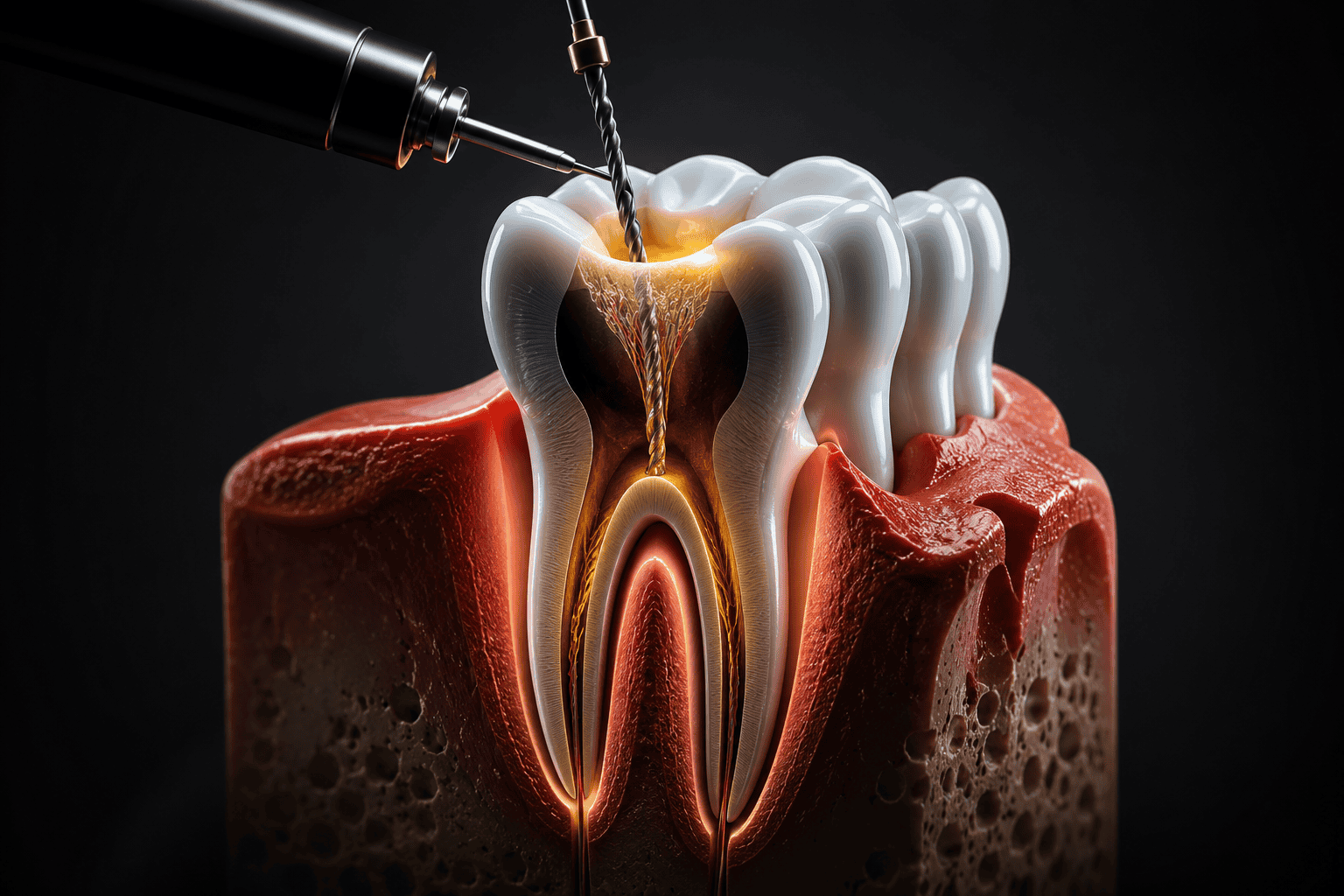
Inside every tooth is a soft tissue called the pulp.
It contains:
- Blood vessels
- Nerves
- Connective tissue
When bacteria reach this inner layer, the pulp becomes infected.
At that stage, cleaning the infection from inside the tooth is often the best way to save it.
That’s what root canal treatment is designed to do.
The goal isn’t to remove your tooth.
The goal is to keep it.
Root Canals Can Be Prevented – Understanding the Causes
It usually starts with something small.
Maybe it’s a tiny cavity.
Maybe it’s a chipped tooth you never thought about again.
Sometimes it’s an old filling that begins leaking.
Without treatment, bacteria continue moving deeper into the tooth.
Eventually, they reach the pulp.
Common causes include:
- Untreated cavities
- Cracked or broken teeth
- Deep tooth decay
- Repeated dental procedures on the same tooth
- Dental injuries
Most of these problems don’t become serious immediately.
That’s why they’re easy to ignore.
1. Don’t Ignore Small Cavities
A cavity doesn’t heal on its own.
That’s one of the biggest myths in dentistry.
At first, you may not feel anything.
No pain.
No swelling.
Nothing.
Meanwhile, the cavity keeps growing.
The deeper it gets, the closer it comes to the tooth’s nerve.
A simple filling today can prevent a much bigger procedure later.
2. Brush Properly Every Day
Most people brush every day.
That doesn’t always mean they’re brushing effectively.
Ask yourself:
- Do you brush for two full minutes?
- Do you clean the back teeth?
- Are you brushing gently?
Scrubbing harder won’t remove more plaque.
It can actually wear down enamel over time.
A soft-bristled toothbrush and fluoride toothpaste are usually the best combination.
Consistency matters more than pressure.
3. Don’t Skip Flossing
Your toothbrush can’t reach every surface.
The spaces between your teeth collect plaque every single day.
If plaque stays there long enough, cavities can develop where you can’t easily see them.
Daily flossing helps remove food particles and bacteria before they become a bigger problem.
It only takes a minute.
That minute can make a real difference.
4. Reduce Frequent Sugary Snacks
Sugar isn’t the only reason cavities happen.
Frequency matters too.
Every time you eat sugary food or drink something sweet, bacteria produce acids.
Those acids attack your enamel.
Now imagine snacking every hour.
Your teeth barely get a chance to recover.
Instead, try to:
- Drink more water.
- Limit sugary drinks.
- Eat sweets with meals instead of throughout the day.
- Choose healthier snacks when possible.
Small changes can lower your risk of tooth decay.
5. Never Ignore Tooth Sensitivity
Many people assume sensitivity is normal.
“It’s just cold water.”
“It’s because of ice cream.”
Maybe.
Maybe not.
Sensitivity can sometimes be an early warning sign.
It may indicate:
- A cavity
- Worn enamel
- A cracked tooth
- Gum recession
The sooner the cause is identified, the easier it often is to treat.
Waiting usually doesn’t make sensitivity disappear.
6. Protect Your Teeth From Cracks
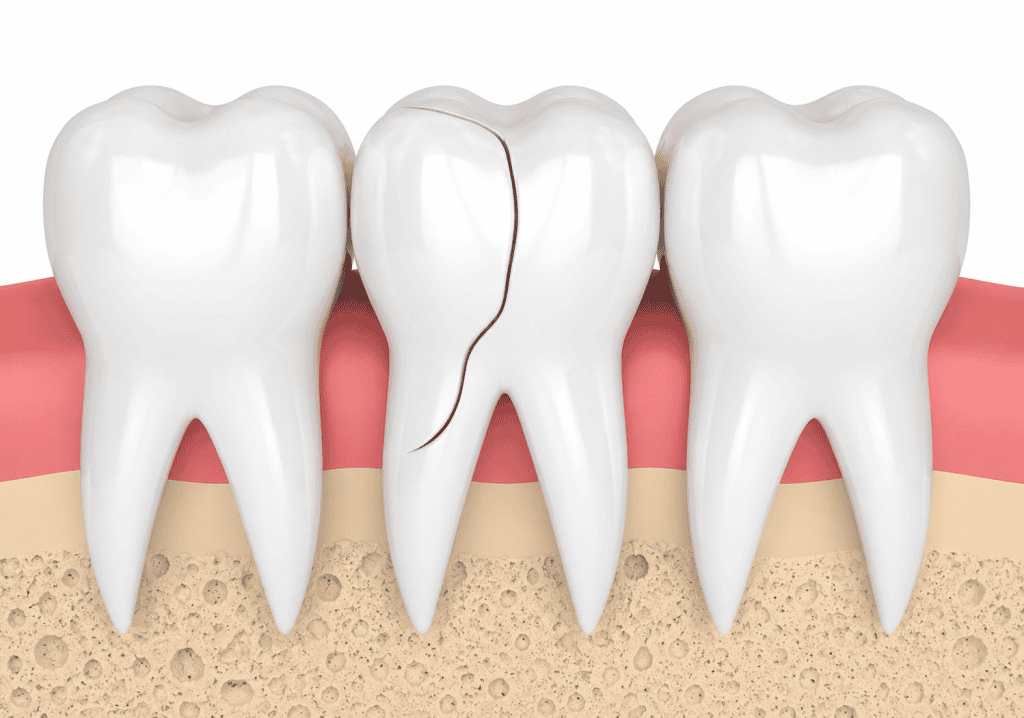
Not every root canal begins with decay.
Some begin with an injury.
Biting hard objects, chewing ice, opening packages with your teeth, or playing sports without a mouthguard can damage teeth.
Sometimes the crack is tiny.
Sometimes you don’t even notice it.
Over time, bacteria can enter through that crack and infect the pulp.
Simple habits help protect your teeth:
- Avoid chewing ice.
- Don’t use teeth as tools.
- Wear a mouthguard during contact sports.
These steps may seem small, but they can prevent bigger dental problems.
7. Visit Your Dentist Before It Hurts
Here’s something worth remembering.
Pain is usually a late sign of tooth damage.
Many cavities don’t hurt until they’ve reached the inner part of the tooth.
That’s why regular dental check-ups matter.
A dentist can spot small problems that you probably can’t see in the mirror.
Treating a small cavity is usually quicker and simpler than treating an infected tooth.
According to a Dentist in Deira, regular check-ups and preventive care are often the best way to catch dental problems before they become more serious.
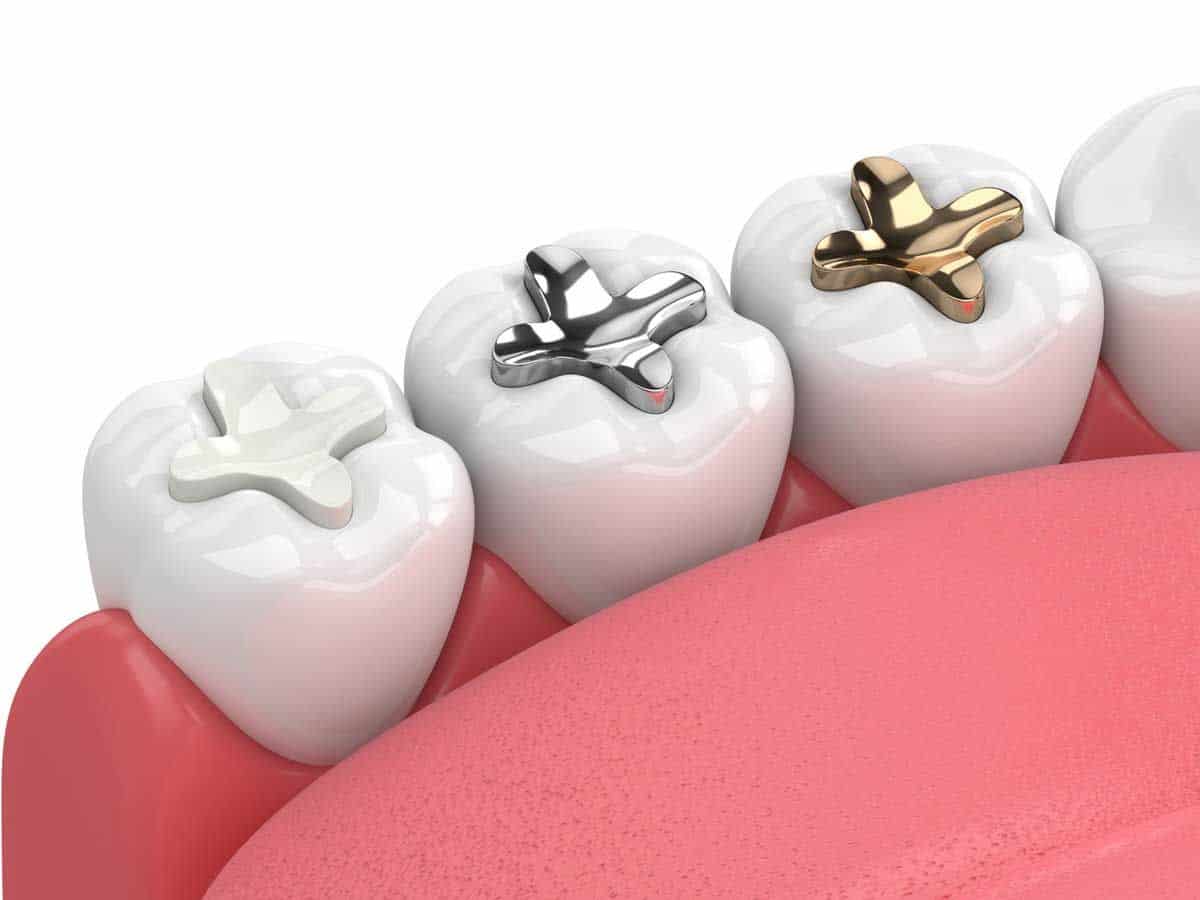
8. Replace Old Fillings When Needed
Dental fillings don’t last forever.
Over time, they can wear down, crack, or develop tiny gaps around the edges.
When that happens, bacteria can enter underneath the filling without causing obvious symptoms.
You may think the tooth is perfectly healthy.
Meanwhile, decay could be developing beneath the surface.
Regular dental examinations help identify worn fillings before they lead to larger problems.
9. Don’t Ignore Bleeding Gums
Many people focus only on their teeth.
Your gums deserve attention too.
Bleeding gums often indicate inflammation.
If gum disease progresses, it can weaken the support around your teeth and increase the risk of oral health complications.
Healthy gums create a healthier environment for your teeth.
Brushing, flossing, and professional cleanings all play an important role.
Everyday Habits That Help Protect Your Teeth
You don’t need an expensive routine.
Simple habits repeated every day usually have the biggest impact.
Try to:
- Brush twice a day with fluoride toothpaste.
- Floss every evening.
- Drink water after meals.
- Limit sugary snacks and drinks.
- Wear a mouthguard during sports.
- Replace your toothbrush every three months.
- Visit your dentist for routine check-ups.
These habits won’t guarantee you’ll never need dental treatment.
They do lower the chances of serious tooth decay.
Signs You Shouldn’t Ignore
Your teeth often give small warnings before a bigger problem develops.
Watch for:
- Tooth sensitivity
- Pain while chewing
- Dark spots on a tooth
- Swollen gums
- Persistent bad breath
- A chipped or cracked tooth
The earlier these issues are treated, the more likely your natural tooth can be preserved.
Why Prevention Is Always the Better Option
Think about the last time you skipped a dental appointment because everything felt fine.
Most people have done it.
The problem is that cavities don’t always announce themselves.
They grow quietly.
Regular check-ups allow dentists to find small issues before they reach the nerve of the tooth.
That’s really the biggest advantage of preventive care.
You’re treating today’s small problem instead of tomorrow’s bigger one.
Frequently Asked Questions
Can every root canal be prevented?
No. Some teeth become damaged because of accidents or severe injuries. Still, many root canals result from untreated decay, which is often preventable with good oral care and regular dental visits.
Does every cavity lead to a root canal?
No. Most cavities can be treated with a simple filling when they are detected early. Root canal treatment is usually needed only when decay reaches the tooth’s pulp.
Is tooth sensitivity always a sign that I need a root canal?
Not at all. Sensitivity can have several causes, including enamel wear, gum recession, or a small cavity. A dental examination can identify the exact reason.
How often should I visit a dentist?
For most people, a dental check-up every six months helps detect problems early and keeps teeth and gums healthy.
Final Thoughts
Root canal treatment often sounds like something that happens without warning.
In reality, many cases begin with small problems that slowly become bigger ones.
A cavity that isn’t treated.
A cracked tooth that’s ignored.
Bleeding gums that seem harmless.
These issues don’t always cause pain right away, which is why they’re easy to overlook.
Looking after your teeth doesn’t have to be complicated.
Brushing well, flossing every day, making better food choices, and keeping up with regular dental visits can go a long way toward protecting your natural teeth.
The best dental treatment is often the one you never need because you prevented the problem before it started.