How much do you really know about your teeth?
You use them every day to bite, chew, speak, and smile. Yet, most people rarely think about what makes teeth work or how different they are from other parts of the body.
For example, did you know that tooth enamel is the hardest substance in the human body? Or that your baby teeth begin developing before you are born?
There is quite a lot going on inside your mouth.
Understanding these facts can also help you understand why simple dental habits, such as brushing twice a day and attending regular dental check-ups, matter so much.
Here are some interesting facts about teeth, along with simple explanations of what they mean for your oral health.
1. What Is the Hardest Substance in the Human Body?
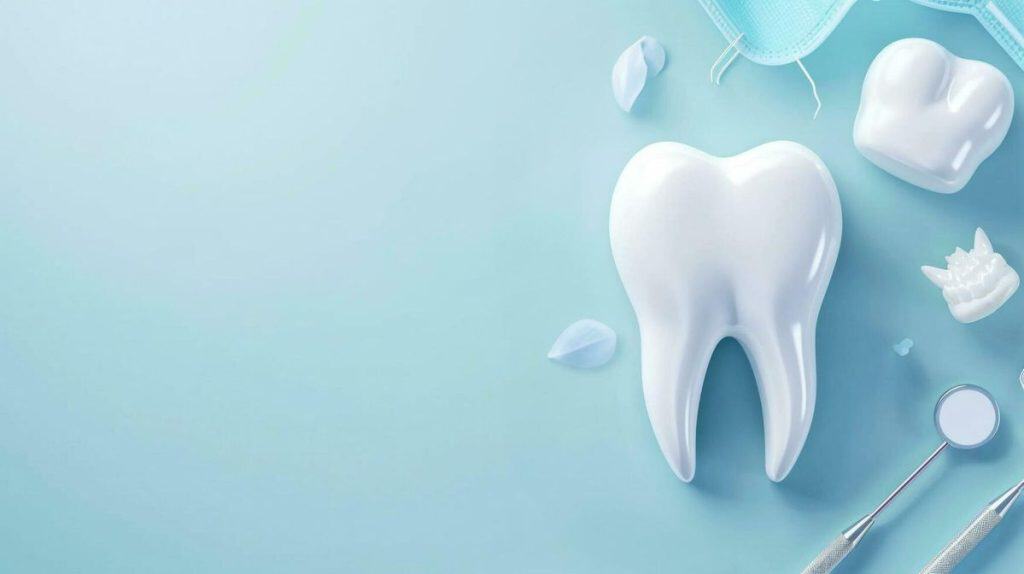
Tooth enamel is the hardest substance in the human body.
It forms the outer layer of each tooth and protects the softer tissues underneath. Enamel needs to withstand repeated pressure from biting and chewing every day.
But there is a catch.
Enamel is strong, but it cannot grow back once it is permanently lost.
Frequent exposure to acids, untreated tooth decay, excessive brushing force, and certain habits can contribute to enamel wear.
That makes protecting your enamel through good oral hygiene especially important.
2. Are Your Teeth as Unique as Your Fingerprints?
Your teeth are unique to you.
People can have similar-looking smiles, but the exact arrangement, shape, size, alignment, and bite of their teeth can differ from person to person.
Even identical twins can have differences in their dental characteristics.
This uniqueness is one reason dental records can be useful for identification.
Your smile is not exactly like anyone else’s.
3. How Many Teeth Does an Adult Usually Have?
Most adults have 32 permanent teeth when all four wisdom teeth are present.
These teeth have different jobs.
- 8 incisors help cut food
- 4 canines help tear food
- 8 premolars help crush food
- 12 molars help grind food
Not everyone develops four wisdom teeth.
Some people develop fewer, while others may not develop wisdom teeth at all.
4. Do You Really Have Millions of Bacteria in Your Mouth?
Your mouth contains a large community of microorganisms.
Many of these bacteria are a normal part of a healthy mouth.
The issue isn’t simply having bacteria.
The balance of bacteria and the amount of plaque on your teeth matter.
When plaque remains on the teeth, certain bacteria can contribute to tooth decay and gum problems.
That’s why regular brushing and cleaning between your teeth are so important.
5. Why Is Saliva Important for Your Teeth?
Saliva does much more than keep your mouth wet.
It plays an important role in everyday oral health.
Saliva helps:
- Wash away food particles
- Keep the mouth moist
- Make swallowing easier
- Help neutralise acids
- Support the natural protection of teeth
When saliva production decreases, the mouth can become dry and uncomfortable. Reduced saliva can also increase the risk of certain dental problems.
So yes, something as ordinary as saliva has an important job.
6. When Do Baby Teeth Start Developing?
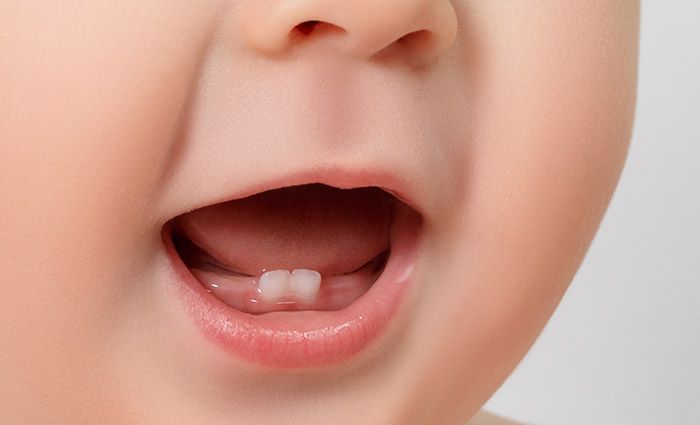
Baby teeth begin developing before birth.
They usually start appearing in the mouth at around six months of age, although the timing varies between children.
These first teeth eventually fall out as permanent teeth develop.
That doesn’t mean baby teeth are unimportant.
They help children chew food, develop speech, and maintain space for the permanent teeth that follow.
7. Can Brushing Harder Make Your Teeth Cleaner?
No.
Brushing harder doesn’t automatically mean better cleaning.
Using too much pressure can irritate the gums and contribute to enamel or tooth-surface wear over time.
A soft-bristled toothbrush and gentle brushing technique are generally a better approach.
Focus on cleaning all tooth surfaces rather than trying to scrub them aggressively.
Two minutes of careful brushing is more useful than two minutes of forceful scrubbing.
8. Can Teeth Repair Themselves?
Teeth have some ability to remineralise in the early stages of mineral loss.
Saliva and fluoride can help strengthen enamel before significant damage occurs.
But teeth cannot fully repair themselves once there is a cavity, major crack, or substantial loss of tooth structure.
That’s why early dental care matters.
A small problem can often be easier to manage than one that has been ignored for months.
9. Can Your Diet Affect Your Teeth?
Yes.
What you eat and drink can affect your teeth and gums.
Frequent consumption of sugary foods and drinks can increase the risk of tooth decay because oral bacteria use sugars to produce acids.
Acidic foods and drinks can also contribute to enamel erosion when consumed frequently.
A balanced diet that includes vegetables, fruits, whole grains, dairy products or suitable alternatives, protein, and water supports overall and oral health.
It isn’t about avoiding every food you enjoy.
Frequency matters too.
10. Why Are Regular Dental Check-Ups Important?
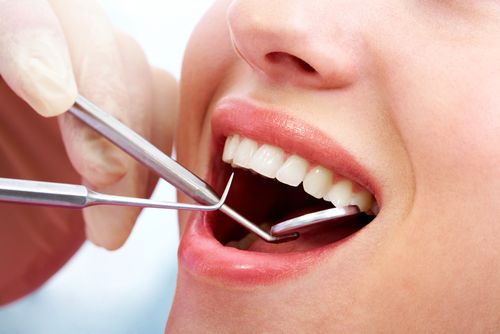
Do you really need to visit a dentist if nothing hurts?
Yes, routine dental visits can still be useful when you feel completely fine.
Some dental problems don’t cause noticeable symptoms during their early stages.
A dental examination can help assess your teeth, gums, existing dental work, and overall oral health.
Professional cleaning may also remove hardened tartar that cannot be removed effectively with ordinary brushing.
Regular visits are part of preventive dental care, not just emergency treatment.
11. Can Teeth Last Your Whole Life?
Permanent teeth are designed to function for many years.
With good oral hygiene and appropriate dental care, many people can maintain their natural teeth throughout life.
Your everyday habits matter.
Try to:
- Brush twice a day with fluoride toothpaste
- Clean between your teeth every day
- Drink water regularly
- Limit frequent sugary snacks and drinks
- Avoid using your teeth to open packages
- Attend regular dental examinations
There isn’t one magic habit.
It is the combination that matters.
12. Why Are Baby Teeth So Important?
Baby teeth aren’t simply temporary placeholders.
They help children:
- Bite and chew food
- Develop clear speech
- Maintain space for permanent teeth
- Learn proper brushing habits
Early dental care also helps children become familiar with dental visits.
Parents should treat baby teeth as important parts of their child’s oral health rather than assuming they don’t need much care because they will eventually fall out.
13. Why Does Everyone Have a Different Smile?
Your smile is influenced by many factors.
These include:
- Tooth size
- Tooth shape
- Jaw structure
- Tooth alignment
- Bite
- Genetics
- Previous dental treatment
Healthy teeth don’t all look identical.
Natural tooth colour can also vary. Healthy teeth don’t need to be perfectly white.
This is something people sometimes forget when comparing their smiles with edited images online.
14. What Simple Habits Can Protect Your Teeth?
Good oral care doesn’t need to be complicated.
The basics are still important.
A simple routine includes:
- Brush twice a day
- Clean between your teeth daily
- Use fluoride toothpaste
- Drink water regularly
- Limit frequent sugary drinks and snacks
- Replace your toothbrush when the bristles become worn
- Visit your dentist for routine examinations
At Minha Dental Surgery Clinic, preventive dental care focuses on helping patients understand their oral health and maintain healthy teeth and gums through examinations, professional care, and practical oral hygiene guidance.
15. Why Should You Learn More About Your Teeth?
Knowing how your teeth work can make dental care feel less confusing.
You may understand why enamel needs protection, why cleaning between your teeth matters, or why a dental check-up can be useful even when you have no pain.
Good oral health is mostly about consistency.
You don’t need a complicated routine.
You need habits that you can follow every day.
What Are the Most Interesting Facts About Teeth?
Here are the key facts at a glance:
- Tooth enamel is the hardest substance in the human body.
- Every person’s teeth have unique characteristics.
- Most adults have up to 32 permanent teeth.
- The mouth naturally contains many types of bacteria.
- Saliva helps protect your teeth and maintain a healthy mouth.
- Baby teeth begin developing before birth.
- Brushing harder does not mean brushing better.
- Early enamel mineral loss can sometimes be reversed, but significant tooth damage cannot repair itself.
- Diet and eating habits can affect tooth health.
- Regular dental examinations support preventive care.
How Can You Keep Your Teeth Healthy?
The best approach is surprisingly simple.
Brush your teeth twice a day with fluoride toothpaste and clean between your teeth daily.
Drink water regularly and limit sugary foods and drinks.
Don’t use your teeth as tools to open bottles, packets, or other objects.
Most importantly, don’t wait for pain before paying attention to your oral health.
Regular dental examinations can help you understand what is happening inside your mouth and address concerns at an early stage.
Frequently Asked Questions About Teeth
What is the hardest part of a tooth?
Enamel is the hardest substance in the human body. It forms the outer protective layer of the tooth.
How many teeth do adults have?
Most adults have 32 permanent teeth when all four wisdom teeth are present. Some people naturally have fewer because their wisdom teeth may not develop.
Can damaged tooth enamel grow back?
No. Lost enamel cannot naturally grow back. Early mineral loss can sometimes be strengthened through saliva and fluoride, but permanent enamel loss cannot be regenerated.
Why are baby teeth important?
Baby teeth help children chew, speak, and maintain space for permanent teeth. They also help children develop good oral hygiene habits.
Does brushing harder clean teeth better?
No. Excessive brushing pressure can irritate the gums and contribute to tooth-surface wear. Gentle brushing with a soft-bristled toothbrush is a better approach.
How often should you visit the dentist?
The right schedule depends on your individual oral health. Regular examinations allow your dentist to monitor your teeth and gums and recommend care based on your needs.
Can food affect tooth health?
Yes. Frequent sugary foods and drinks can increase the risk of tooth decay, while frequent exposure to acidic foods and drinks can contribute to enamel erosion.
Why is saliva important for oral health?
Saliva helps wash away food particles, keeps your mouth moist, supports swallowing, and helps neutralise acids in the mouth.
Final Thoughts
Your teeth are doing a lot more than most of us realise.
They help you eat, speak, and smile every day. They also have some fascinating characteristics, from the strength of enamel to the unique shape and arrangement of every person’s teeth.
The interesting part is that protecting them doesn’t require anything complicated.
Brush well.
Clean between your teeth.
Eat and drink thoughtfully.
Stay consistent with your dental care.
And don’t wait for a problem to become painful before paying attention to your smile.
Small habits can help your teeth stay healthy for many years.