If you’ve ever searched for how to keep gums healthy, you’re already taking the first step towards better oral health.
Most people pay attention to their teeth.
They want a brighter smile or worry about cavities.
But gums deserve just as much care.
Healthy gums hold your teeth in place and protect the tissues underneath. When they’re properly cared for, they support your smile every single day.
The good news?
Keeping your gums healthy doesn’t require expensive products or complicated routines. A few simple habits, followed consistently, can make a real difference over time.
Let’s look at seven practical tips that actually work.
Why Gum Health Matters?
Your gums do more than surround your teeth.
They act as a protective barrier and help keep your teeth stable while you eat and speak.
When plaque builds up around the gum line, the gums can become irritated. If this isn’t managed with good oral hygiene, it may lead to gum problems that require professional care.
Many early gum issues develop without obvious discomfort.
That’s one reason routine dental check-ups are so important.
1. Brush Gently Twice a Day
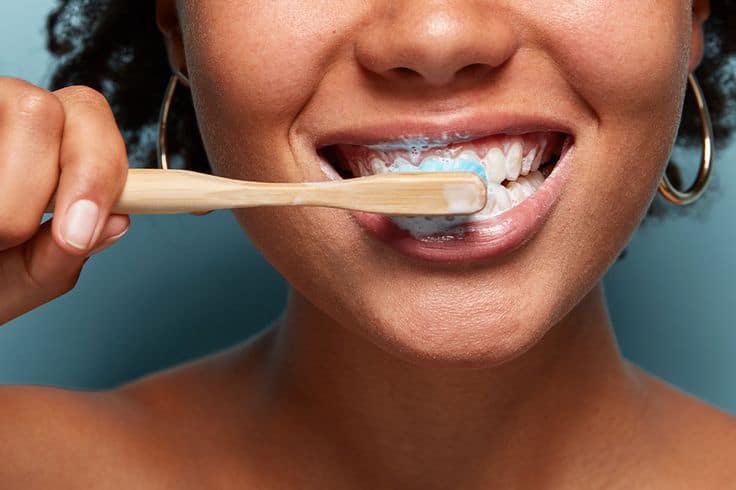
Brushing regularly is one of the simplest ways to protect your gums.
The key isn’t brushing harder.
It’s brushing correctly.
Use a soft-bristled toothbrush and fluoride toothpaste.
Spend about two minutes brushing, making sure you clean:
- Along the gum line
- The front of your teeth
- The back of your teeth
- Chewing surfaces
Gentle circular movements are usually more effective than scrubbing back and forth.
Brushing too aggressively may irritate your gums rather than helping them.
2. Clean Between Your Teeth Every Day
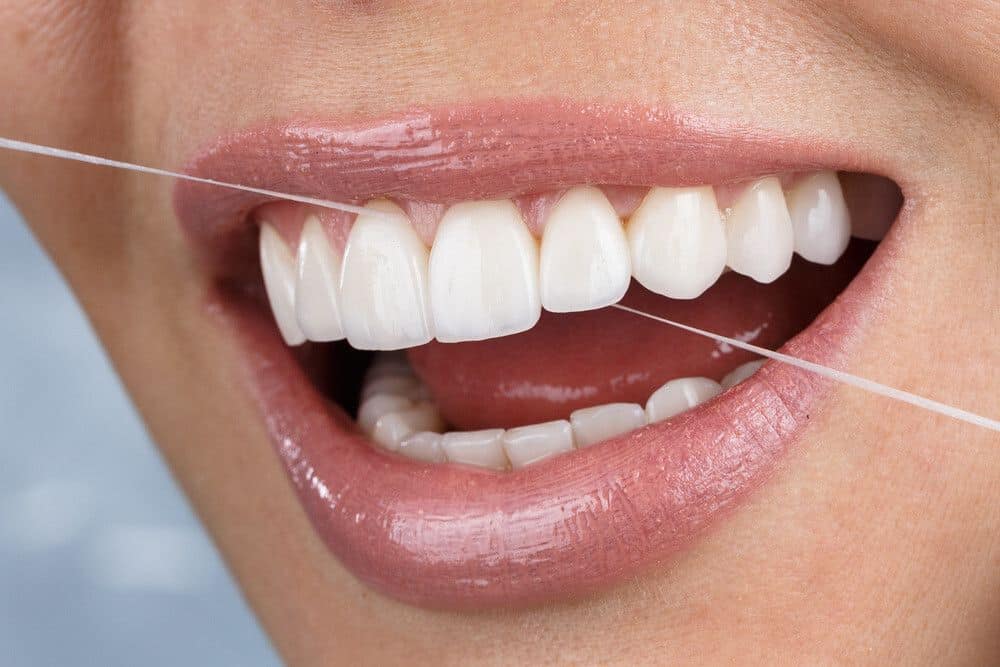
A toothbrush can’t reach every area.
Food particles and plaque often collect between teeth where brushing alone isn’t enough.
Cleaning between your teeth once a day helps support healthy gums.
You can choose whichever method suits you best.
Options include:
- Dental floss
- Interdental brushes
- Water flossers if recommended by your dentist
It only takes a few minutes and becomes much easier once it’s part of your routine.
3. Stay Hydrated Throughout the Day

Water does more for your mouth than many people realise.
It helps rinse away leftover food particles.
It also supports normal saliva production.
Saliva plays an important role in keeping your mouth clean by helping wash away bacteria and neutralise acids after eating.
Keeping a refillable water bottle nearby is a simple habit that benefits both your general health and your oral health.
4. Choose Foods That Support Healthy Gums

What you eat affects your gums as well as your teeth.
A balanced diet provides nutrients that help maintain healthy oral tissues.
Try including foods such as:
- Fresh fruits
- Leafy green vegetables
- Dairy products
- Nuts and seeds
- Lean sources of protein
It’s also worth limiting frequent sugary snacks and drinks, as plaque bacteria feed on sugar throughout the day.
Healthy eating doesn’t have to be perfect.
Small improvements made consistently often have the biggest impact.
5. Don’t Ignore Bleeding Gums
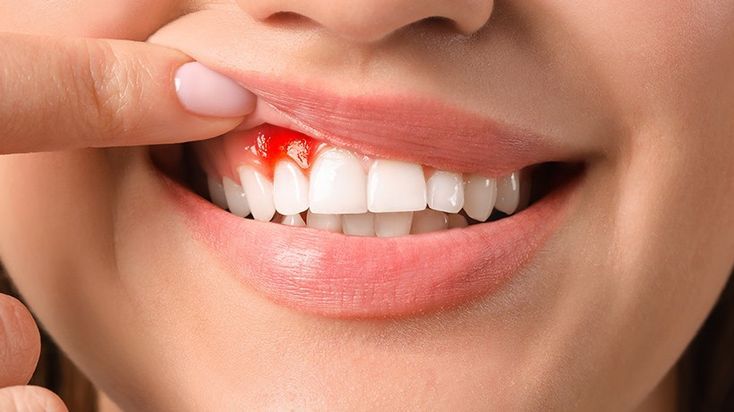
Some people notice a little bleeding while brushing and assume it’s normal.
It isn’t something you should ignore.
Bleeding gums can happen for different reasons, including plaque build-up along the gum line.
If the bleeding continues despite good oral hygiene, arranging a dental examination is a sensible next step.
Early assessment allows your dentist to identify the cause and recommend appropriate care.
6. Visit Your Dentist Regularly

Even with excellent brushing and flossing habits, routine dental visits remain important.
Professional examinations help monitor your gum health and identify changes that may not be visible at home.
Professional cleaning can also remove plaque and tartar that cannot be removed by brushing alone.
At Minha Dental Surgery Clinic, preventive dental care is an important part of helping patients maintain healthy teeth and gums through regular examinations, professional cleaning, and personalised oral hygiene advice.
7. Avoid Tobacco and Limit Sugary Drinks

Your daily habits directly impact your gums.
Smoking and other tobacco products are well known for increasing the risk of gum problems and slowing the healing process after dental treatment.
Sugary drinks can also contribute to plaque build-up when consumed frequently.
Simple changes can help, such as:
- Choosing water instead of soft drinks more often.
- Reducing sugary beverages between meals.
- Avoiding tobacco products.
- Rinsing your mouth with water after sweet or acidic drinks.
These choices support healthier gums over time.
Daily Habits Matter More Than Expensive Products
It’s easy to think that a new toothpaste or mouthwash will solve every problem.
In reality, healthy gums are usually the result of consistent habits.
The basics still work best.
They include:
- Brushing twice a day.
- Cleaning between your teeth daily.
- Drinking enough water.
- Eating a balanced diet.
- Visiting your dentist regularly.
These habits don’t take much time, but they can have a lasting effect on your oral health.
Signs Your Gums May Need Professional Attention
Healthy gums are usually firm and pink, though natural gum colour varies from person to person.
If you notice changes that don’t improve, it’s a good idea to arrange a dental check-up.
Watch for signs such as:
- Gums that bleed regularly while brushing or flossing.
- Swollen or tender gums.
- Persistent bad breath.
- Gums that appear to be pulling away from the teeth.
- Ongoing discomfort around the gum line.
An early examination helps your dentist identify the cause and recommend appropriate care.
How to Keep Gums Healthy for a Healthy Smile
Looking after your gums isn’t something you do only when there’s a problem.
It’s part of your everyday routine.
Healthy gums support your teeth, make eating more comfortable, and contribute to good oral health throughout your life.
The good news is that you don’t need complicated routines.
Simple habits, repeated consistently, often bring the best results.
Final Thoughts
Healthy gums don’t happen by chance.
They are the result of regular care, balanced eating habits, good oral hygiene, and routine dental check-ups.
Brushing gently, cleaning between your teeth, staying hydrated, and visiting your dentist are all simple steps that help protect your gums.
The earlier you build these habits, the easier they become to maintain for years to come.
Frequently Asked Questions
How can I keep my gums healthy every day?
Brush twice a day with fluoride toothpaste, clean between your teeth daily, drink enough water, eat a balanced diet, and attend regular dental check-ups.
Why do my gums bleed when I brush?
Bleeding gums can occur for several reasons, including plaque build-up along the gum line. If bleeding continues, it’s best to have your gums examined by a dentist.
Is flossing really important for gum health?
Yes. Flossing or using another method to clean between your teeth removes plaque and food particles from areas your toothbrush cannot reach.
Can food affect my gum health?
Yes. A balanced diet that includes fruits, vegetables, dairy products, and lean protein helps support healthy gums. Limiting frequent sugary foods and drinks is also beneficial.
How often should I visit the dentist for healthy gums?
Your dentist will recommend a schedule based on your oral health needs. Routine examinations and professional cleanings are an important part of maintaining healthy gums.